Farida
Dzifa Alabo

Writer of historical literary fiction and strategic thinker, working within systems, power, and history.

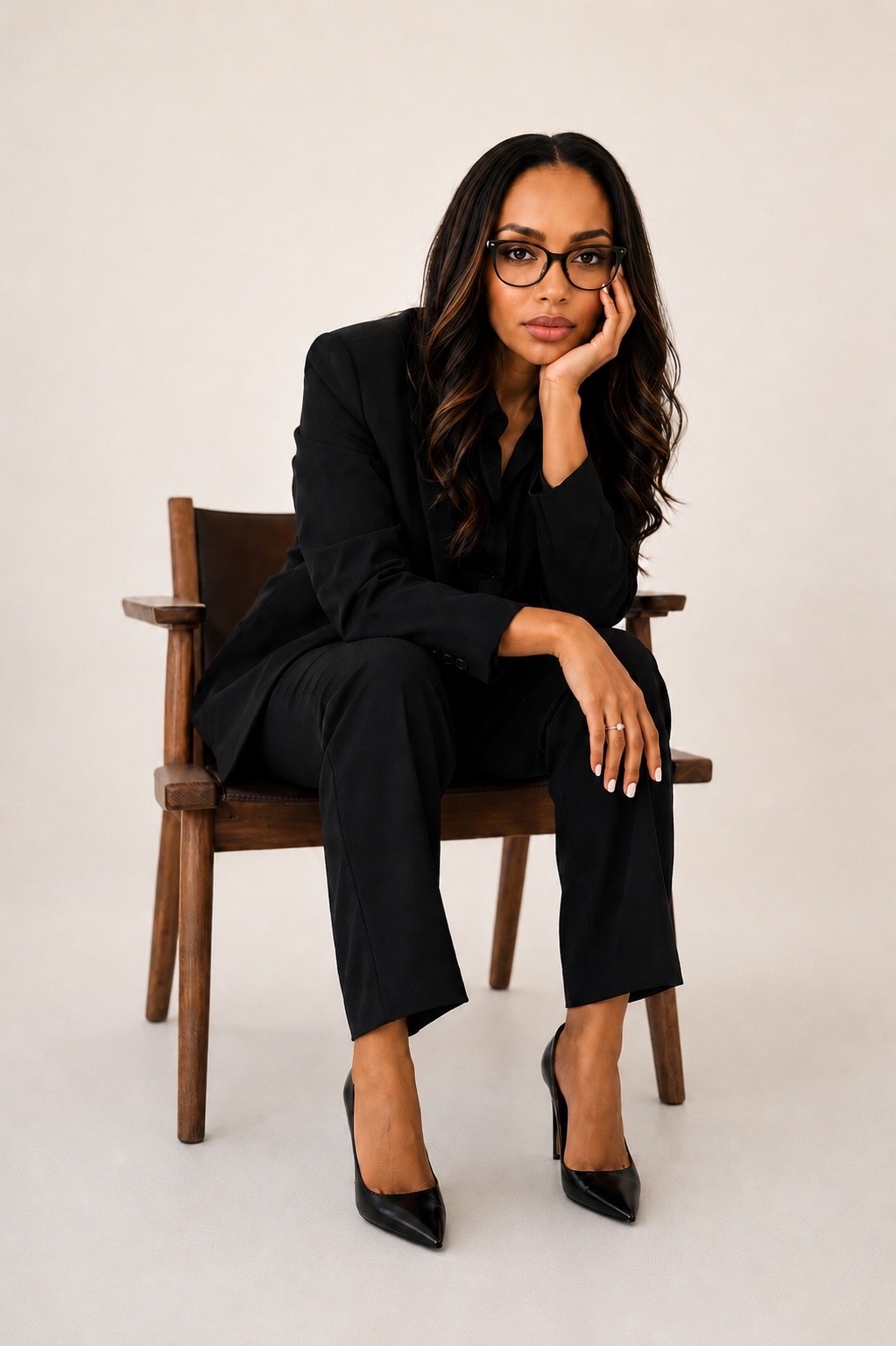
Portrait of Farida Dzifa Alabo

The Gold
Paradox

Completed manuscript. Seeking representation.

Request materials

Colonial hands draw lines from afar and fracture tribes, communities, and families in West Africa. The Gold Coast is split from French Togoland, later renamed Ghana and Togo. The story follows Selom, an orphan from an Ewe village caught inside that division. When L'Eglise withdraws across the newly imposed border, Selom loses the protection that had sheltered him.

He is brought back by Nebal, a guarded outsider who teaches him the grammar of systems and the language of records. Selom's path leads him to Achimota School, the Crown's carefully calculated answer to dissidence. He goes on to Oxford to read how the Empire functions and returns home knowing that history circles back on itself.

Synopsis and selected chapters available on request.

About

Farida Dzifa Alabo is a writer of literary historical fiction, born in the former Soviet Union to a Ghanaian father and Moroccan mother, raised across Africa, Europe, and North America. She is now based in Accra and London. Her work examines how power moves through borders, institutions, and paperwork, and what erasure can do to a people.

Read more

Readers Club

Join the Readers Club

Receive a free short story, plus news of giveaways, book recommendations, writing tips and more.

No spam. Unsubscribe any time.

The Gold
Paradox

Completed manuscript. Seeking representation.

Request materials

Colonial hands draw lines from afar and fracture tribes, communities, and families in West Africa. The Gold Coast is split from French Togoland, later renamed Ghana and Togo. The story follows Selom, an orphan from an Ewe village caught inside that division. When L'Eglise withdraws across the newly imposed border, Selom loses the protection that had sheltered him. To the villagers, he becomes expendable. They sell him to Portuguese traders for gunpowder.

He is brought back by Nebal, a guarded outsider who teaches him the grammar of systems and the language of records. Selom's path leads him to Achimota School, the Crown's carefully calculated answer to dissidence: built to identify the sharpest minds and shape them into loyal administrators of Empire.

He goes on to the University of Oxford to read how the Empire functions and learn its tactics at the source. Selom returns home with a clearer sense of the Empire's patterns, and the knowledge that history circles back on itself, then tries to loosen the Empire's hold on his country and its future.

In the end, he learns that ownership of the self and conscience has many faces, and that the cost of rebellion is always personal.

Synopsis and selected chapters available on request.

Request materials

Setting

Gold Coast. French Togoland. Achimota School. Oxford.

Themes

Borders. Archives. Paperwork. Institutions. Resistance.

Status

Completed manuscript. Representation enquiries welcome.

Enquiries

[email protected]

Kaart van de Goud-Kust of Kust van Guinea, 1818. Public domain.

Portrait of Farida Dzifa Alabo

Farida
Dzifa Alabo

Farida Dzifa Alabo is a writer of literary historical fiction, born in the former Soviet Union to a Ghanaian father and a Moroccan mother, both pursuing their doctorates at the University of Kyiv, and raised across Africa, Europe, and North America. She is now based in Accra and London. Her work examines how power moves through borders, institutions, and paperwork, and what erasure can do to a people.

Her father is Ewe. The Ewe people straddle what is now Ghana and Togo, a division imposed by colonial cartography that split the Gold Coast from French Togoland in the late nineteenth century. Unlike the Ashanti, who negotiated directly with the British Crown, the Ewe had no centralised kingdom and left few records that colonial administrators chose to keep. Their history is largely one of erasure. The Gold Paradox begins there.

Her fiction is shaped by writers who understood that the past is not distant: Marguerite Yourcenar, Anton Chekhov, Guy de Maupassant, Kurt Vonnegut. Like them, she is drawn to the observer who stands slightly outside events, sardonic and precise, watching how power is administered, how records are kept, and what disappears when they are not.

A multilingual communications and strategy leader with over twenty years of experience across Africa and the Middle East. She thinks of the two lives, the writer and the strategist, as the same occupation conducted by different means.


Get in touch

Get
in touch

For agent, editorial, media, and festival enquiries.

  • Representation enquiry
  • Festival enquiry
  • Media enquiry
  • General enquiry
[email protected]